


Blurry Vision In One Eye: Causes, Symptoms, And What To Do
If you’ve ever woken up or suddenly noticed blurry vision in one eye, you’re not alone. This kind of change can be unexpected and, understandably, a little unsettling.
The good news is that there are many possible reasons for blurred vision, and understanding them is the first step towards clarity, both in your vision and your peace of mind.
In this article, we’ll explore the potential reasons behind sudden blurred vision in one eye, how it can present, what symptoms to look out for, and when you might consider seeking medical advice.
Whether your symptoms have come on slowly or as a sudden blurry vision event, knowing what could be happening can help you make informed decisions about your eye health.
Understanding Blurry Vision In One Eye
Blurry vision in one eye refers to a noticeable reduction in clarity in only one eye. It might affect your central vision, peripheral vision, or cause distorted vision that impacts your daily life. For some, it’s a mild annoyance. For others, it could be a warning sign of an underlying condition that needs attention.
Is Blurry Vision In One Eye Always Serious?
Not necessarily. Sometimes, unilateral blurry vision may result from something simple like eye strain or dry eyes, but it can also be associated with more complex conditions. The key is to observe whether it appears suddenly, develops gradually, or comes with other symptoms.
Common Symptoms That May Accompany Blurry Vision
Symptoms you might notice if you have blurred vision include:
- Hazy vision or foggy sensation
- Distorted vision or shapes appearing warped
- Double vision (diplopia)
- Blurry central vision
- Light sensitivity
- Dark or blind spots
- Flashes or floaters
- Sudden loss of vision
- Severe headaches
- Difficulty speaking or balance issues
Causes Of Blurry Vision In One Eye
There are many reasons why you might experience blurry vision in just one eye. Let’s look at the more common and notable ones.
Cataracts
A cataract occurs when the eye’s natural lens becomes clouded. While often associated with age, they can develop earlier and may initially affect just one eye. Over time, you may notice:
- Blurry or cloudy vision
- Sensitivity to bright light
- Fading colours
- Halos around lights
A comprehensive eye exam is the best way to identify a cataract and discuss possible treatment options.
Refractive Errors
Common refractive errors, like myopia, hyperopia, and astigmatism, typically affect both eyes, but sometimes one eye is impacted more significantly.
This may cause temporary blurriness in that eye. Symptoms may include:
- Trouble focusing
- Squinting often
- Headaches or eye fatigue
Corrective measures like glasses, contact lenses, or laser eye surgery may be discussed with your eye doctor depending on your individual situation.
Glaucoma
Glaucoma is a group of conditions that damage the optic nerve, often linked to pressure inside the eye.
It can develop gradually (open-angle glaucoma) or rapidly (angle-closure glaucoma), the latter being a potential medical emergency.
Watch for:
- Gradual vision loss in one eye
- Blurry vision and halos
- Nausea, eye pain, or redness (with acute glaucoma)
Macular Degeneration
This condition affects the macula, the central part of your retina responsible for detailed central vision.
It can present as either wet macular degeneration or dry macular degeneration.
Signs may include:
- Blurry central vision
- Straight lines appearing wavy
- Difficulty recognising faces
Age-related macular degeneration may affect one eye before the other.
Diabetic Eye Disease
If you have diabetes, uncontrolled blood sugar can impact the small blood vessels in the retina.
This may lead to diabetic retinopathy, a common cause of blurred vision and vision loss.
Symptoms to monitor:
- Blurry vision in one or both eyes
- Dark or blind spots
- Fluctuating vision
- Sudden vision blurry spells
Early detection is crucial to help prevent permanent damage.
Retinal Detachment
When the retina pulls away from its normal position, it’s called a retinal detachment. This is a serious concern that may cause sudden loss of vision in one eye and requires immediate medical attention.
Warning signs include:
- A shadow or curtain over part of your visual field
- A sudden increase in floaters
- Flashes of light
- Blurring in one eye
Retinal Surgery After-Effects
Post-operative effects after retinal surgery can cause temporary changes in your vision in one eye, such as haziness, distortion, or reduced clarity.
Following post-surgery care instructions can support your recovery.
Laser Eye Surgery And ICL
Procedures like laser eye surgery or implantable collamer lens (ICL) treatment can improve vision for those with refractive errors.
It’s not uncommon to have temporary blurriness in one eye during the healing period.
If you’ve had one of these procedures and are noticing blurry vision, it’s always a good idea to follow up with your eye surgeon to ensure everything’s progressing as expected.
Oculoplastic Conditions
Sometimes, the cause isn’t within the eye itself but related to surrounding structures. Issues involving the eyelids or eye sockets can affect tear production, eye positioning, or eyelid function, leading to blurry vision in a single eye.
Other Possible Causes To Be Aware Of
Even if you haven’t had any known eye conditions, several factors might still contribute to one-eye vision problems: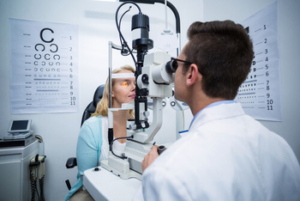
- Eye infection
- Dry eye syndrome requiring artificial tears
- Eye strain from prolonged screen use
- Stroke symptoms or retinal migraine
- Temporary blindness from blood flow changes
- Severe headaches
- Visual processing areas of the brain being affected
- Injury or trauma to one eye
What Should You Do If You Notice Blurry Vision In One Eye?
Here are a few steps you can take if you suddenly notice blurred vision in one eye:
- Don’t ignore it. Observe when it started, how long it lasts, and whether it’s getting worse.
- Monitor additional symptoms. Is there double vision, pain, or light sensitivity?
- Avoid self-diagnosing. Though online information can be helpful, an accurate diagnosis comes from a qualified eye doctor or healthcare provider.
- Seek medical help. Especially if the blurriness is sudden or accompanied by warning signs, it’s important to get professional advice promptly.
Supporting Your Eye Health Daily
While not all causes of blurry vision can be prevented, there are steps you can take to support long-term eye health:
- Maintain a healthy diet rich in antioxidants and omega-3s
- Stay hydrated and get enough sleep
- Give your eyes regular breaks from screens
- Wear sunglasses to protect against UV rays
- Keep up with regular eye exams, especially if you have existing health conditions
Frequently Asked Questions
Can I wait to see if my blurry vision gets better on its own?
If the vision returns quickly and there’s no pain or other symptoms, it may be okay to observe briefly. But any sudden vision changes, particularly if persistent, deserve medical attention.
What should I do if I wake up with blurry vision in one eye?
Try blinking and gently rinsing your eye with clean water or artificial tears. If the blurriness persists beyond a few minutes or recurs often, consider booking an eye check-up.
Are there long-term consequences of ignoring blurry vision?
Some causes of blurry vision can lead to permanent vision loss if not addressed early. An accurate diagnosis and early action can help protect your eyesight.
Conclusion
 Blurry vision in one eye can feel disorienting, but it doesn’t have to be alarming. The most important thing you can do is listen to your body, notice warning signs, and take action if something doesn’t feel right.
Whether it’s as simple as eye strain or something that requires further investigation, like macular degeneration or glaucoma, your next step could make all the difference.
When you take your vision seriously, you take a powerful step towards protecting your sight, lifestyle, confidence, and freedom.
If you’re ever in doubt, speak with Armadale Eye Clinic at (03) 9070 5753 to guide you towards your next best steps.
Note: Any surgical or invasive procedure carries risks. Before proceeding, you should seek a second opinion from an appropriately qualified health practitioner.
References
Dry Macular Degeneration [Internet]. Mayo Clinic. 2024 [cited 2025 Jul 11]. Available from: https://www.mayoclinic.org/diseases-conditions/dry-macular-degeneration/symptoms-causes/syc-20350375
Yuko E. 12 Causes of Blurred Vision in One Eye [Internet]. Verywell Health. 2025 [cited 2025 Jul 11]. Available from: https://www.verywellhealth.com/blurry-vision-in-one-eye-5097119
Nall R. Your Guide to Blurry or Hazy Vision [Internet]. Healthline. 2024 [cited 2025 Jul 11]. Available from: https://www.healthline.com/health/hazy-vision

Multifocal intra-ocular lenses offer the opportunity to have cataract surgery and have great vision for distance, intermediate and near. There are a few golden rules Read more

We all develop presbyopia when we get to between 45-50 yeas of age. Presbyopia is the loss of the ability to focus up near. This Read more

The eye is an amazing organ with multiple parts all working together to receive light, convert it to neural signals, and send this signal onwards Read more

Unfortunately, no, long sightedness is not exactly as simple as being the opposite of short sightedness. People with long sightedness can in fact often still Read more

 Originally used to treat your heart and blood vessels and manage things like chest pain and even stage fright, these medications work by blocking the effects of adrenaline on your body’s beta receptors, also called β-receptors. These tiny sites are found in the heart, blood vessels, lungs, and yes, even your eyes.
 Like all medications, beta blockers
 Whether you’re managing your IOP or seeking more information, it’s always best to speak with a qualified professional who can guide you with knowledge and care.