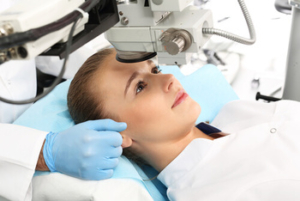

Refractive Lens Exchange

Refractive Lens Exchange: Definition, Process, & Recovery

As we get older, changes in our vision can gradually disrupt the clarity we once took for granted. Reading fine print, focusing at arm’s length, or seeing clearly across different distances may all become more challenging. For those seeking a long-term approach to vision correction, especially when laser eye surgery isn’t suitable, refractive lens exchange offers a compelling alternative.

In this article, we’ll explore how refractive lens exchange works, who may benefit from it, and what to expect from the process so you can decide if it’s the right next step towards clearer, more comfortable vision.

What Is Refractive Lens Exchange?

Refractive lens exchange (RLE), sometimes known as lens replacement, is a surgical procedure during which the eye’s natural lens is replaced with a better-functioning intraocular lens (IOL). This is done to correct refractive errors and reduce dependence on glasses or contact lenses.

Although the procedure is nearly identical to cataract surgery, RLE is performed before the lens becomes cloudy. It’s often chosen by people who want a permanent solution to vision issues, especially when they’re not suitable candidates for laser eye surgery like LASIK or PRK.

Common Refractive Errors Treated With RLE

Refractive lens exchange is designed to correct a range of vision conditions known as refractive errors, where the eye does not bend light properly, resulting in blurred or distorted vision.

Below are some of the most common types addressed with RLE:Refractive Lens Exchange candidate

  • Myopia (Short-Sightedness): Difficulty seeing distant objects clearly. RLE can implant a lens to improve distance vision.
  • Hyperopia (Long-Sightedness): Struggling with close-up tasks? An artificial lens can be tailored to restore clarity for near vision.
  • Astigmatism: Caused by an irregularly shaped cornea. Toric premium lenses may help correct refractive errors linked to astigmatism.
  • Presbyopia: Age-related vision loss for near tasks. RLE may provide relief through multifocal lenses or blended vision strategies.

How Refractive Lens Exchange Works

It typically begins with your surgeon creating an incision at the edge of the cornea. Through this small entry point, an ultrasound probe is used to gently soften and remove the eye’s lens.

Once the original lens is removed, a carefully selected artificial intraocular lens (IOL) is inserted through the same cut and positioned securely within the lens capsule, the natural membrane that holds the lens in place.

The new replacement lens is designed to meet your specific visual requirements, helping to improve clarity at one or more distances depending on the type of lens chosen.

Understanding Your Lens Options

You’ll work with your eye doctor to choose a lens that aligns with your visual requirements and lifestyle. Options include:

Monofocal Lenses

These lenses are set for a single distance, typically the clear distance. You may still wear reading glasses for close-up tasks.

Multifocal Lenses

These are designed to provide multiple focal points, allowing for improved near vision, intermediate tasks, and distance clarity. Many people choose these to reduce their reliance on spectacles.

Accommodative Intraocular Lenses (IOLs)

Accommodative IOLs are designed to move or shift slightly within the eye, mimicking the natural focusing ability of a healthy lens. For those seeking greater visual flexibility, accommodative lenses may offer a balance between clarity and comfort, with less dependence on additional eyewear.

Recovery And Aftercare

Here’s what to expect after undergoing lens replacement:

  • Eye Drops And Healing: Your doctor will prescribe eye drops to help with healing, reduce inflammation, and prevent infection. Following your aftercare plan carefully can support your recovery.
  • Returning to Normal Activities: You should be able to resume normal activities within a few days. You’ll attend follow-up visits to monitor healing, lens stability, and intraocular pressure.
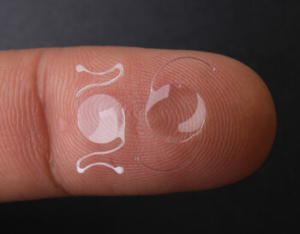
refractive lens exchange typesIs Refractive Lens Exchange the Same As Cataract Surgery?

The procedures are nearly identical in technique, but the purpose is different. Cataract surgery is performed when the natural lens becomes cloudy and impairs vision.

RLE, however, is done while the lens is still clear, hence the name clear lens exchange. It’s an elective procedure aimed at vision correction, rather than treating a medical condition.

How Other Vision Correction Methods Differ From RLE

Let’s take a closer look at how refractive lens exchange compares to other vision correction options in practical terms:

With LASIK, your cornea is reshaped to correct vision, but your natural lens stays in place. LASIK may not suit those with thin corneas or age-related vision decline.

PRK also reshapes the cornea but involves a longer healing time. Like LASIK, it doesn’t address presbyopia.

Implantable collamer lenses (ICLs) involve inserting a lens over your natural one, without removing it. ICLs are reversible, whereas RLE replaces the lens entirely and offers a more permanent solution.

Are There Risks?

Every surgical procedure carries some risks, and RLE is no exception. Though complications are rare, you should be aware of possible risks such as:

  • Retinal detachment
  • Glare or halos at night
  • Increased intraocular pressure
  • Infection
  • Lens dislocation
  • Posterior capsular opacification (a treatable cloudiness behind the lens)

Choosing a qualified professional and attending follow-up appointments can help monitor and address these risks early on.

Frequently Asked Questions

How long does the surgery take?

Refractive lens exchange surgery usually takes around 15 to 30 minutes. While it is relatively quick, you should allow extra time on the day for preparation, recovery, and post-operative checks before heading home.

Will lens replacement surgery hurt?

Since the eye is numbed using anaesthetic eye drops, you won’t feel much pain during the procedure.

You may notice some pressure or slight movement, but most people describe the experience as comfortable. A light sedative may also be offered to help you feel relaxed throughout.

Refractive Lens Exchange visionCan both eyes be done at the same time?

It depends on your personal needs and the recommendation of your eye surgeon.

Some people prefer to have both eyes treated on the same day for convenience, while others choose to space the procedures a few days or weeks apart to evaluate the result in one eye before proceeding with the other. Your surgeon will discuss the best option based on your vision, lifestyle, and preferences.

Final Thoughts

Refractive lens exchange may not be for everyone, but for many, it’s a chance to regain clearer, more comfortable vision without the daily limitations of glasses or contact lenses.

By replacing your natural lens with a carefully selected intraocular lens, RLE offers a vision correction approach that aligns with your lifestyle, preferences, and future.

If you’re ready to explore this option further, the best next step is to schedule a comprehensive eye examination with a qualified eye care professional. Your journey to long-lasting clarity may be closer than you think.

If you’re curious about how refractive lens exchange could support your long-term vision goals, we’re here to help. A personalised consultation can give you greater clarity on whether RLE is the right path for your eyes, your lifestyle, and your visual needs.

Contact Armadale Eye Clinic today at (03) 9070 5753 to book your comprehensive eye examination and take the first step towards clearer, more confident vision.

Note: Any surgical or invasive procedure carries risks. Before proceeding, you should seek a second opinion from an appropriately qualified health practitioner.

References

Rowden A. What Are Phakic Intraocular Lenses? [Internet]. Medical News Today. 2025 [cited 2025 Jul 23]. Available from: https://www.medicalnewstoday.com/articles/phakic-intraocular-lens

Chan E, Varma S. Refractive Lens Exchange – The Evidence Behind the Practise. Eye [Internet]. 2024 Nov 14;208–209(39). Available from: https://www.nature.com/articles/s41433-024-03478-3

Zimlich R. Lens Replacement Surgery: When You Might Need This Eye Procedure [Internet]. Healthline. 2022 [cited 2025 Jul 23]. Available from: https://www.healthline.com/health/eye-health/lens-replacement-surgery

How to Get Rid of Chalazion? What Is It and What You Can Do About It?
how to get rid of a chalazion melbourne

Chalazion is not a word you hear very often, despite being a reasonably common eyelid bump. Many people in fact don’t realise they have a Read more

What Causes Watery Eyes and How to Manage It?
what causes watery eyes melbourne

A bout of watery eyes affects all of us at some point, whether it’s from chopping onions or because a little bug flew into your Read more

Squamous Cell Carcinoma vs Basal Cell Carcinoma of the Eye
squamous cell carcinoma vs basal cell carcinoma melbourne

What’s the difference between a squamous cell carcinoma vs a basal cell carcinoma? Skin cancers can affect your eye. Read more about it here. Cancer Read more

Symptoms of Macular Degeneration — All You Need to Know
symptoms of macular degeneration melbourne

The symptoms of macular degeneration can be difficult to identify. However, this sight-threatening disease is not uncommon – around 1 in 7 Australian adults over Read more

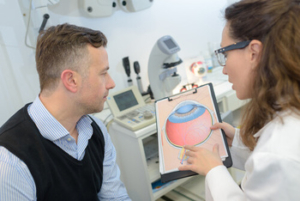
Intraocular Lens

Intraocular Lens: Everything You Need To Know

Intraocular lenses (IOLs) have completely transformed the way we approach cataract surgery and other vision correction procedures. If you’re exploring your options for clearer, more comfortable vision, understanding intraocular lenses can help you make a confident, informed decision.

This guide will walk you through everything you need to know, from what intraocular lenses are and how they work to the various types available and what to expect before, during, and after lens surgery.

Whether you’re considering cataract extraction or refractive lens exchange, this article is designed to provide you with all the essential information using clear, friendly, and professional language.

Let’s dive in.

What Is An Intraocular Lens?

An intraocular lens is a small, biocompatible lens that is implanted into your eye to replace your eye’s natural lens. These lenses are typically used during cataract surgery or refractive lens exchange (RLE) to help correct vision and lower the reliance on glasses or contact lenses.

Intraocular Lens explainWhy Are Intraocular Lenses Used?

Intraocular lenses are most commonly used to correct the focus of light rays and fix the refractive error caused as a result.

However, IOLs are also gaining popularity among individuals seeking to reduce their dependency on reading glasses and contact lenses.

Types Of Intraocular Lenses (IOLs)

There are several types of intraocular lenses, each designed to suit different vision needs and lifestyles.

Your ophthalmologist will guide you in choosing the most suitable option, but here’s a brief overview of the most common types:

Monofocal Lenses

Monofocal lenses have one focusing distance, typically for far objects. They’re often used in standard cataract surgery, but you might still need reading glasses or contact lenses for near or intermediate vision.

Multifocal Lenses

Unlike monofocal lenses, multifocal lenses are designed with multiple focus zones to support near, intermediate, and distance vision. They can reduce your reliance on glasses or contact lenses, though some people may still need them for specific tasks.

Accommodative Lenses

Accommodative lenses shift slightly within the eye in response to natural focusing efforts. This movement helps support a wider range of vision, often providing clear distance vision and sometimes even near tasks, with less dependence on reading glasses.

IOLs & Refractive Lens Exchange (RLE)

This is a surgical option that is similar to cataract extraction, but it’s usually performed to correct refractive error rather than remove a cataract.

The procedure involves replacing your natural lens with an IOL implant, and it’s ideal for people who may not be suitable for laser eye surgery, like LASIK.


IOL Implantation Process For RLE & Cataract Surgery

If you’re considering an intraocular lens implant, it’s natural to wonder what the process involves.

While your ophthalmologist will provide personalised guidance, here’s a general overview of what to expect before, during, and on the day of surgery.

Pre-Surgery Consultation

Your eye doctor will assess your eye health, measure the shape and size of your eye, and determine the best intraocular lens for you. You may also discuss lifestyle needs, such as reading, computer use, or driving.

The Day Of Surgery

The procedure typically takes less than 30 minutes and is done under local anaesthesia. Medicated eye drops are used to numb the eye, and a mild sedative may be offered to help you stay calm.

During The Procedure

The surgeon removes your natural lens through a tiny incision and inserts the implanted lens into the lens capsule (the natural ‘pocket’ that held your old lens). The IOL unfolds inside the eye and stays in place.

Benefits Of Intraocular Lenses

IOLs have a lot of benefits, whether they’re cataract lenses or used for lens replacement surgery. Benefits include:

  • Long-lasting results
  • Addressing refractive errors like myopia, hyperopia, and astigmatism
  • Reducing reliance on glasses or contact lenses
  • Improving night vision and intermediate vision, depending on the type of lens
  • Offering a clearer, more focused vision tailored to your lifestyle

Are There Any Risks?

Intraocular Lens surgeryWhile generally successful, IOL implantation is still a surgical procedure and carries some risks, such as:
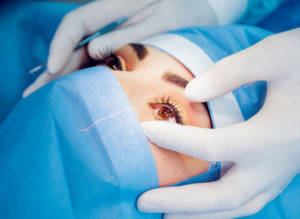
  • Retinal detachment
  • Infection
  • Dislocation
  • Implant movement or rotation
  • Posterior capsular opacification
  • Rarely, more serious risks like inflammation or damage to nerve cells

Your ophthalmologist will explain these risks in detail before the procedure.

Who Might Not Be Suitable for IOL Surgery?

IOLs may not be suitable for people with:

  • Certain corneal conditions
  • Severe dry eye
  • Active eye infections
  • Irregular pupil shapes
  • Specific retina issues

That’s why comprehensive pre-surgical testing and consultations are essential.

Frequently Asked Questions

How long do intraocular lenses last?

Intraocular Lens procedureIOLs are designed to last for many years. They’re made from durable materials that do not break down or need replacement in most cases.

What if I’ve already had laser surgery?

You can still be a candidate for an intraocular lens implant, but extra tests may be needed to ensure accurate measurements.

Is there an intraocular lens (IOL) for astigmatism?

Yes! Toric lenses (toric IOLs) are designed to correct astigmatism. These lenses can also be available in multifocal designs, allowing you to correct astigmatism and see clearly at various distances using the same lens.

If you have preexisting astigmatism, your ophthalmologist may recommend the best option to reduce your reliance on glasses or contact lenses.

Conclusion

Whether you’re preparing for cataract surgery or exploring vision correction through refractive lens exchange, intraocular lenses open up a world of possibility. From monofocal lenses to accommodative ones, there’s likely an IOL to match your unique vision goals.

You don’t have to settle for blurry vision, dependency on contact lenses, or juggling multiple pairs of glasses. Modern artificial lenses are designed with comfort, convenience, and long-term clarity in mind.

And with advancements in lens technology, your vision correction will be better than before.

If you’re curious about intraocular lenses or considering cataract surgery, we’re here to help you take the next step with confidence.

Our team offers personalised care tailored to your lifestyle and vision goals, whether you’re looking to reduce your dependence on glasses or simply see more clearly again.

Contact Armadale Eye Clinic today at (03) 9070 5753 to book a consultation and learn more about your options for a clear vision.

Note: Any surgical or invasive procedure carries risks. Before proceeding, you should seek a second opinion from an appropriately qualified health practitioner.

Sources

Smith M. What Is an Intraocular Lens Implant? [Internet]. WebMD. 2024 [cited 2025 Jun 20]. Available from: https://www.webmd.com/eye-health/cataracts/intraocular-lens-implant

Bedinghaus T. Multifocal Intraocular Lenses for Cataract Surgery [Internet]. Verywell Health. 2025 [cited 2025 Jun 20]. Available from: https://www.verywellhealth.com/intraocular-contact-lenses-3421653

Fan Q, Han X, Luo J, Cai L, Qiu X, Lu Y, et al. Risk Factors of Intraocular Lens Dislocation Following Routine Cataract Surgery: A Case–Control Study. Clinical and Experimental Optometry [Internet]. 2021 Feb 10;104(4):510–7. Available from: https://www.tandfonline.com/doi/10.1080/08164622.2021.1878829

How to Get Rid of Chalazion? What Is It and What You Can Do About It?
how to get rid of a chalazion melbourne

Chalazion is not a word you hear very often, despite being a reasonably common eyelid bump. Many people in fact don’t realise they have a Read more

What Causes Watery Eyes and How to Manage It?
what causes watery eyes melbourne

A bout of watery eyes affects all of us at some point, whether it’s from chopping onions or because a little bug flew into your Read more

How Long Does It Take to Recover from Cataract Surgery? Time of Healing
how long does it take to recover from cataract surgery

So, you’ve done the hard work, found yourself a reputable eye specialist, and are preparing yourself for cataract surgery. But then you remember that you Read more

When Can You Drive After Cataract Surgery?
when can you drive after cataract surgery

The thought of cataract surgery can be daunting for several reasons. Some people may be put off by the mere thought of any procedure performed Read more

how to get rid of an eye stye melbourne armadale eye clinic

How to Get Rid of An Eye Stye? Treatment Options & Prevention

Though styes are a reasonably common, harmless red bump on the eyelid, they can cause some bother. Whether you’re able to ignore the painful bump on your eyelid or are looking to get rid of a stye as soon as possible, this is what you should know when it comes to treatment for styes


What is a Stye? 

A stye is an infection of the oil glands in the eyelids. You can have more than one stye at a time, and they can appear on either the top or bottom eyelid. Styes can cause varying degrees of pain and inconvenience, ranging from mild discomfort to significant eyelid swelling that affects your vision. 

There are two types of styes – internal or external. 


preventing future stye melbourne armadale eye clinicInternal Stye

An internal stye is a bacterial infection of an eyelid gland, known as a meibomian gland, that produces the oil layer of the tear film. Internal styes form deeper within the eyelid tissue. You may be able to see a red lump on the outside skin of your affected eyelid, or there may just be a vague area of swelling. Sometimes, patients report their eyelid feels sore to the touch without any visible changes to the external skin. 


External Stye

External styes arise from a bacterial infection of the oil glands that support the health of your eyelashes. External styes often look like a pimple at the edge of the eyelid. 

Another common eyelid bump is known as a chalazion, which can often be mistaken for a stye. Chalazia are a result of a blockage of an eyelid gland but do not involve active infection. While the eyelid swells, chalazia are not typically associated with pain. 


Treatment Options for Styes

Most styes will heal on their own within a week without you doing anything to treat them. However, if you prefer to proactively treat styes as they appear, there are a few effective home remedies you can consider. 


Good hygiene

Managing any sort of infection always starts with good hygiene. Keep your eye clean from debris and other contaminants. You can use a clean cloth or cotton swab in warm water to gently wipe the eye. You may also consider diluting baby shampoo with warm water and gently wiping your closed eyelids. 

Avoid eye makeup. It could be a good idea to consider discarding your eye makeup altogether as it may potentially be contaminated with bacteria. 

Avoid wearing contact lenses while your stye heals; wear glasses instead. Inserting contact lenses with a stye can cause further irritation and is an additional infection risk.

Avoid rubbing your affected eye, and never try to squeeze or pop the stye to release pus. Doing so can spread bacteria throughout the lid or increase your risk of further infection if you damage the skin. 

Before touching your eye, remember to wash your hands with warm water and mild soap. 


Home remedies

Many people choose to treat styes using simple home treatment strategies to help get rid of a stye. 

The main one is the use of warm compresses. This involves using a clean washcloth soaked in warm water, placed against the affected area of your lid. You can use this warm compress multiple times a day, but always check that it’s not too hot before placing it on your skin. If you don’t have a clean washcloth, some advocate the use of a warm tea bag. 

Some people find it helpful to gently massage the affected area while using the warm compress, but ensure you’re not applying so much pressure as to burst the stye. Remember to always wash your hands before touching your eyes. 


Medical treatment

Though most styes will resolve on their own, with or without home treatment, there are some reasons you may wish to see a doctor or your optometrist. 

You may want to see a doctor if:

  • The stye is still persisting after a few weeks 
  • You experience swelling of your entire eyelid 
  • If the pain is significant 
  • If you feel your vision is affected
  • There are other symptoms associated with the stye, such as fever or headaches 


styes treatment options melbourne armadale eye clinicAntibiotics for Treating A Stye

The use of antibiotics for stye treatment is controversial. Not all medical professionals will recommend antibiotics for a stye, preferring no-risk home remedies such as warm compresses. 

There is currently little evidence that antibiotics are useful in the healing process. However, your doctor may still choose to prescribe antibiotics in certain situations.

Topical antibiotics (eye drops or ointment) may be considered for external styes, while oral antibiotics are more commonly prescribed for internal styes or if there is a risk of a wider-spread eyelid infection. 


Minor Surgery

In rare cases, the stye may require minor surgery with an eye doctor, such as if it’s very painful or not resolving. Surgery for a stye involves creating a small incision and draining the contents of the stye under local anaesthetic. Afterwards, you will need to use antibiotics to prevent bacteria from taking advantage of the wound, and you will likely experience some pain. Your eye doctor will advise you on what sort of medication is appropriate to reduce pain. 


How to Prevent Future Styes

You can help to prevent styes by practising good hygiene regularly for your lids. 

As always, remember to have clean hands whenever touching your eyes or the skin around your eyes. Dirt and contaminants on your hands or under your fingernails risk introducing bacteria to the eye. 

You can consider regularly cleaning your eyelashes with baby shampoo diluted in warm water on a clean cloth. This helps to clear away excess bacteria and debris. 

Some people find it helpful to prevent styes with long-term regular application of warm compresses as it aids in keeping the eyelid glands open and functioning well. 

A good rule of thumb with eye makeup hygiene is to change to new makeup every 3 months. 


Note: Any surgical or invasive procedure carries risks. Before proceeding, you should seek a second opinion from an appropriately qualified health practitioner.


References

Stye.
https://www.healthdirect.gov.au/stye

Stye removal: surgery and other treatment methods.
https://www.allaboutvision.com/treatments-and-surgery/stye-removal/


How to Get Rid of Chalazion? What Is It and What You Can Do About It?
how to get rid of a chalazion melbourne

Chalazion is not a word you hear very often, despite being a reasonably common eyelid bump. Many people in fact don’t realise they have a Read more

What Causes Watery Eyes and How to Manage It?
what causes watery eyes melbourne

A bout of watery eyes affects all of us at some point, whether it’s from chopping onions or because a little bug flew into your Read more

Squamous Cell Carcinoma vs Basal Cell Carcinoma of the Eye
squamous cell carcinoma vs basal cell carcinoma melbourne

What’s the difference between a squamous cell carcinoma vs a basal cell carcinoma? Skin cancers can affect your eye. Read more about it here. Cancer Read more

Symptoms of Macular Degeneration — All You Need to Know
symptoms of macular degeneration melbourne

The symptoms of macular degeneration can be difficult to identify. However, this sight-threatening disease is not uncommon – around 1 in 7 Australian adults over Read more

eye stye symptoms melbourne armadale eye clinic

Eye Stye Symptoms — What Should We Know About It?

If you have a painful red bump on your eyelid, it could be a stye. Styes can be a common occurrence for some people while others have never had one in their life. Though it’s always a good idea to get any new painful lump on the eyelid checked out by an optometrist or eye doctor, here is what you should know about the symptoms of a stye and the treatment options. 


What Causes a Stye on the Eyelid?

A stye is caused by a bacterial infection in an eyelid gland. Depending on the type of stye – internal or external, the specific oil gland involved is different.

Internal styes are a bacterial infection of the meibomian oil glands of the eyelid. 

Conversely, external styes are a bacterial infection of the oil glands associated with an eyelash follicle. 


Risk Factors for Eyelid Styes

managing treatment eyes with stye melbourne armadale eye clinicSome people are simply prone to styes even without possessing any known risk factors. For others, there are some identifiable risk factors. These can include:

  • If you wear contact lenses and don’insertion or removal
  • If you often don’t wash your hands before touchint wash your hands before g your eyes or eyelids in general
  • Using old cosmetics that may be contaminated
  • Not removing your eye makeup properly
  • Certain skin conditions such as acne rosacea 
  • A common condition known as blepharitis, involving chronic inflammation of the eyelids 


What are the Signs and Symptoms of a Stye?

Styes present as a painful lump on the eyelid. This bump may be near the edge of your eyelid or form further into the lid. 

An external stye often appears as a pimple-like bump at the base of the eyelash follicle, while an internal stye can look like a red lump further away from the edge of your eyelid. Some internal styes don’t present with any visible change to the outer eyelid skin, but instead, you may just notice a painful area of swelling on the eyelid. 

Eyelid swelling, in some cases, can seem to involve the entire eyelid or be so significant that it may be difficult to open the eyelids fully, affecting your vision. 

Styes can occur on either the upper or lower eyelid, and you can have more than one stye at a time. Styes do tend to recur, especially in people with existing risk factors. 


Chalazia

Another type of eyelid bump that’s commonly confused with styes is known as a chalazion (plural chalazia). 

Unlike a stye, chalazia are not caused by an infection but instead are due to a blockage of one of the eyelid oil glands. A chalazion can involve swelling of the eyelid but is not typically associated with any significant pain. 


Is a Stye Ever a Medical Emergency?

Styes themselves are harmless and not an emergency. However, a stye can (rarely) progress into a painful infection of the entire eyelid, known as preseptal cellulitis. 

The management of preseptal cellulitis requires oral antibiotics to prevent it from escalating into another condition known as orbital cellulitis, which is a medical emergency. 


Eyelid Stye Treatment Options

Most styes will self-resolve within a few days to a week without treatment. However, you can consider some simple self-care steps that may help the stye heal more quickly. 


Warm Compresses

Using a warm compress is a low-risk, easy way of helping your stye heal. Soak a clean cloth or face towel in warm water, making sure the water is not so hot as to cause pain or discomfort against your skin. Then place the warm washcloth over your closed eyelid. This can be done several times a day. 

You may find that gently massaging your eyelid can help as well. While doing the warm compresses and massage, ensure you don’t rub your eyelid so hard as to pop the stye, which can lead to the spreading of the infection throughout the eyelid. 


Impeccable Hygiene

Before touching your eyelids, it’s important to wash your hands with warm water and mild soap. 

If you normally wear contact lenses, it’s best to stay out of them until the stye has resolved. Your w when it’s appropriate to wear contact lenses again. 

Similarly, avoid wearing eye makeup. If you currently have a stye, it’s best to replace any old cosmeticdoctor will let you knos used around the eyes.

Keep your eyes and eyelids clean from dirt, dust, and other contaminants. 

If your styes are associated with a skin condition such as rosacea, continue managing this as usual. 


risk factors eyelid styes melbourne armadale eye clinic

Manage Blepharitis 

If you have blepharitis contributing to recurrent styes, your doctor may suggest an eyelid wash. This can simply be diluted baby shampoo scrubbed across your closed eyelid with a warm washcloth or a specifically formulated detergent. 


Should I See a Doctor for a Stye? 

While most cases of styes resolve with the self-care practices of a warm compress and gently massaging the eyelids, you may see a doctor if the stye is extremely painful, affecting your vision from the swollen eyelid, or taking a long time to heal. 


Antibiotic Treatment for a Stye

Your doctor may choose to prescribe antibiotic ointment to treat an external stye at the edge of the eyelid, or an antibiotic to be taken by mouth for an internal stye. However, there is little evidence to suggest that a stye treated with antibiotics resolves any faster than one treated with a warm compress. 


Surgery for a Stye

Occasionally, your eye doctor may need to perform minor surgery to help the stye resolve. A small incision is made under local anesthesia, and the contents of the stye are drained. 


Stye Prevention

Do your best to manage any factors that cause a stye. This includes discarding eye makeup every three months and ensuring you wash your hands before handling contact lenses. 

Some people find it helpful to routinely use warm compresses and wash their eyelids with a warm washcloth. 


Note: Any surgical or invasive procedure carries risks. Before proceeding, you should seek a second opinion from an appropriately qualified health practitioner. 


References

Stye.
https://www.healthdirect.gov.au/stye

Stye removal: surgery and other treatment methods.
https://www.allaboutvision.com/treatments-and-surgery/stye-removal/

Stye (sty).
https://www.mayoclinic.org/diseases-conditions/sty/symptoms-causes/syc-20378017


How to Get Rid of Chalazion? What Is It and What You Can Do About It?
how to get rid of a chalazion melbourne

Chalazion is not a word you hear very often, despite being a reasonably common eyelid bump. Many people in fact don’t realise they have a Read more

What Causes Watery Eyes and How to Manage It?
what causes watery eyes melbourne

A bout of watery eyes affects all of us at some point, whether it’s from chopping onions or because a little bug flew into your Read more

Squamous Cell Carcinoma vs Basal Cell Carcinoma of the Eye
squamous cell carcinoma vs basal cell carcinoma melbourne

What’s the difference between a squamous cell carcinoma vs a basal cell carcinoma? Skin cancers can affect your eye. Read more about it here. Cancer Read more

Symptoms of Macular Degeneration — All You Need to Know
symptoms of macular degeneration melbourne

The symptoms of macular degeneration can be difficult to identify. However, this sight-threatening disease is not uncommon – around 1 in 7 Australian adults over Read more

eyelid lumps and bumps melbourne

Eyelid Lumps and Bumps — Types, Causes, & Risk Factors

So, you’ve glanced in the mirror and just noticed a little bump on your upper eyelid. Is this something to be worried about? Could it be skin cancer, or is it just a benign lesion? Do you need to see someone about it? There are many types of eyelid bumps and lid lesions; some need urgent attention, while others will resolve with simple warm compresses. This is what you should know about eyelid bumps and lesions.


Styes and Chalazia

Styes and chalazia are often confused – many people will classify a chalazion as a stye. However, they are two separate types of benign eyelid lesions.

A stye, also known as a hordeolum, may be internal or external. They can appear along the eyelid margin or further within the lid. An external stye is a bacterial infection of the sebaceous glands around the eyelashes, known as the glands of Zeis and Moll; it can look like a pimple. Conversely, an internal stye is an infection of the oil glands deeper within the lid, known as the meibomian glands. These look like a red, soft bump on the eyelid. There are numerous oil glands on both the upper and lower eyelid, so you may find you can have more than one eyelid bump at a time. Styes tend to be red and painful to touch and can start as a generalised swelling of the lid tissues.

Chalazia, or singular chalazion, is a blockage of a meibomian gland of the lid. Unlike a stye, it doesn’t involve an active infection. A chalazion may appear as a slightly tender, red, swollen bump on the lid but more often presents as a painless lump without redness. They are more common on the upper eyelid but can appear on the lower eyelids too. 


Treatment for Styes and Chalazia

Your stye or chalazion will resolve on its own without intervention. Oral antibiotics are not necessary as the drug doesn’t reach these lid lesions in any useful concentration. Instead, applying warm compresses several times a day can help the body to clear the clogged gland more quickly.

styes chalazia bumps lumps eyelids melbourneHowever, if the bacterial infection associated with a stye progresses to an infection of the surrounding tissues, known as preseptal cellulitis, this will require antibiotic treatment. 

Never try to pop these eyelid lesions, as it can result in scarring or a secondary infection.

In some cases, a chalazion can hang around for months – if this becomes bothersome, you may choose to see an eye surgeon for surgical excision and drainage.

If you have a stye or chalazion, it’s a good idea to avoid wearing eye makeup and contact lenses as these can cause further irritation and prolong the healing process. 


Other Common Eyelid Bumps

Skin tags are benign eyelid lesions more common in elderly patients. They appear as small growths on the skin attached by a tiny stalk. Skin tags can vary in colour and size, and even texture.

Seborrheic keratosis is a discoloured, wart-like bump also more common in older patients. Like a skin tag, it’s not necessary to treat seborrheic keratosis unless it bothers you for cosmetic reasons.

Milia are tiny white bumps on the eyelid skin and cheeks. These are cysts that form due to dead cells trapped under the surface of the skin. These tiny white bumps are common in infants and children.

Molluscum contagiosum is caused by a viral infection, most commonly in children. Typically, this viral wart appears only around one eye and can be contagious through physical contact. It’s generally safe to let it resolve on its own over weeks, but you should exercise impeccable hygiene to avoid transmitting the virus to others.

Squamous papilloma is a very common benign tumour, often found in middle-aged or older adults. It appears as a skin-coloured growth on the eyelids and doesn’t need any treatment.


Eyelid Bumps and Malignant Lesions

Though most lid bumps are benign lesions, it is possible to develop malignant eyelid tumours as well. To the untrained eye, it can be difficult to determine whether an eyelid bump is a malignant lesion or not. For this reason, even if you suspect your eyelid bump is just a stye or a chalazion, any new bumps should be checked by an optometrist or eye specialist for accurate diagnosis. This is especially true if the eyelid bump bleeds, is flaky or scaly, disrupts your eyelash line, or continues to grow over time.


Basal Cell Carcinomas

Basal cell carcinoma is the most common malignant lesion found on the eyelids, representing about 90% of eyelid malignancies. It’s most frequently found on the lower eyelid and in individuals with fair skin but can happen with any skin complexion.

Treatment is always recommended, as cancer cells can spread. Treatment modalities include using topical medications, though this is not as effective as complete excision with an eye surgeon specialising in oculoplastics.


styes chalazia bumps lumps eyelids melbourneSquamous Cell Carcinoma

Squamous cell carcinoma is much rarer than basal cell carcinoma. Still, it tends to spread more aggressively, including orbital invasion (of the eye socket) and distant metastasis to regional lymph nodes or parts of the body further away from the eye.

The treatment of choice is to have the lesion completely surgically removed, such as with a technique known as Mohs micrographic surgery.


Sebaceous Cell Carcinomas

This type of cancer arises from an oil gland of the eye, such as a meibomian gland. Sebaceous cell carcinomas can also spread aggressively and must be treated promptly.


Risk Factors for Lid Malignant Lesions

Understanding your risk for skin cancer can help you to respond more quickly if you notice a suspicious lesion around your eyelids.

Factors that increase your chances of developing a malignant eyelid bump include:

  • Fair or light complexion
  • Older age
  • Ultraviolet exposure
  • Certain viruses, such as HIV
  • Immunosuppression
  • Skin conditions involving damage, such as from old burns or previous scarring


Though most lid lesions are harmless, any bump that is new and unusual should be checked out by a qualified eye care professional by calling on (03) 9070 5753. You may require monitoring over time for changes, or if the lesion exhibits obviously suspicious features of malignant transformation, prompt treatment may be needed. 


Note: Any surgical or invasive procedure carries risks. Before proceeding, you should seek a second opinion from an appropriately qualified health practitioner. 


References

Eyelid lesions in general practice
https://www1.racgp.org.au/ajgp/2019/august/eyelid-lesions-in-general-practice

Styes
https://www.betterhealth.vic.gov.au/health/conditionsandtreatments/styes 


Multifocal intraocular lenses- getting it right.
Dr Anton Eye Surgery

Multifocal intra-ocular lenses offer the opportunity to have cataract surgery and have great vision for distance, intermediate and near.  There are a few golden rules Read more

Presbyopia
armadale blog 2

We all develop presbyopia when we get to between 45-50 yeas of age. Presbyopia is the loss of the ability to focus up near. This Read more

What Is Laser Eye Surgery? – What To Expect
what is laser eye surgery Armadale

The eye is an amazing organ with multiple parts all working together to receive light, convert it to neural signals, and send this signal onwards Read more

The Difference Between Long and Short Sightedness Explained
difference between long and short sightedness melbourne

Unfortunately, no, long sightedness is not exactly as simple as being the opposite of short sightedness. People with long sightedness can in fact often still Read more

eyelid ptosis surgery melbourne

Eyelid Ptosis Surgery — Causes, Diagnosis, and Treatment

A ptosis of the upper eyelid refers to a droopy eyelid. In essence, the upper eyelid is unable to open fully. In addition to being a cosmetic concern, a ptosis may also cause problems with the vision, especially if the upper eyelids are covering a significant part of your upper visual field. Keep reading to find out more about this problem of the upper eyelid and ptosis surgery.


What Causes a Ptosis?

There can be a number of causes of a droopy eyelid. Not all may require ptosis surgery.


Congenital Ptosis

This refers to droopy eyelids that have been present from birth. The ptosis may be apparent on both sides or just one eye. A ptosis that is present at birth is typically due to underdevelopment of the levator muscle, which is the muscle that lifts the upper eyelid.


Diagnosis

Diagnosing a congenital ptosis can sometimes be challenging in infants and young children. In addition to noticing a drooping eyelid, other signs can include one fold of the eyelid being lower than the other, or the child is constantly lifting their chin to be able to see beneath the lowered upper eyelid.


treatment ptosis condition melbourneTreatment

If not treated with prompt eyelid surgery, ptosis in children can cause significant vision problems, such as ambylopia. Amblyopia is also known as lazy eye, and occurs due to a lack of neural input from the eye with the ptosis to the brain during the critical developmental period. If not treated, amblyopia can result in permanently reduced vision.

Children who are compensating for their ptosis by tilting their head may also be at risk of head and neck problems.


Age-Related Ptosis

Another common cause of upper eyelid ptosis is older age. This is commonly called an involutional or acquired ptosis. Due to age, the eyelid muscles, specifically the levator muscle, can become stretched and loosened, making it difficult to lift the upper eyelids.


Diagnosis and Treatment

Your eye surgeon will assess the ptosis and amount that the upper eyelid droops by measuring the eyelid height. If the droopy eyelids are so low that they interfere with your vision, you can elect to have your upper eyelids lifted through ptosis repair surgery. If there is excess skin or skin laxity around your eyelids, this can also be treated and removed through a procedure called a blepharoplasty at the same time as your ptosis surgery.

Some patients with ptosis may not be concerned by their droopy eyelid. If this is the case, it’s not necessary to undergo ptosis surgery if it doesn’t bother you.


Other Causes of Ptosis

Other reasons for a droopy eyelid requiring ptosis surgery can include:

  • Injury to the upper eyelid muscle, including the levator muscle
  • Disease of the levator muscle and any other muscle that lifts the upper eyelid, such as myasthenia gravis
  • Damage to the nerve supplying the muscle that lifts the eyelid


Ptosis Surgery

Most patients suffering from a bothersome eyelid ptosis will benefit from eyelid surgery. However, if your droopy eyelid is due to a systemic disease, such as myasthenia gravis, medications may be more effective. Occasionally, your surgeon may not recommend surgery due to some other reason. Your eye doctor will advise you accordingly based on your circumstances.

The aim of ptosis surgery is to treat the drooping eyelid so that it no longer interferes with your vision. Ideally, the eyelid surgery achieves an equal eyelid margin height between the eyes, but this is not always possible.


What Happens During Ptosis Surgery

Ptosis surgery is usually performed under local anaesthetic, which is injected into the upper lid by the surgeon. Most patients will also be offered a sedative and painkillers. Children are more likely to require full general anaesthetic.

In most cases, the surgeon only needs to make small corrections to the levator muscle. However, in extreme cases, the entire levator muscle may need to shortened and reattached to successfully keep the eyelid lifted when in a normal open position.

An incision is made in the upper lid, usually around its natural crease so that any sutures and the resultant scar will be hidden when the eyelid is open.


After Ptosis Surgery

After your ptosis surgery your surgeon will give you some guidelines to help your recovery. You’ll be asked to use an antibiotic ointment around the incision to prevent infection and maybe also some eye drops in the eye itself. You can expect some swelling and bruising of the eyelids for up to a couple of weeks.


Other Effects After Ptosis Surgery

diagnosis ptosis procedure melbourne

Though most cases of ptosis surgery recover uneventfully, some patients can experience temporary:

  • Dry eye; this can typically be managed with lubricating eye drops
  • Difficulty closing the eyelid completely
  • Alterations to vision; your prescription may need to be updated
  • Numbness of the skin around your eyelid and eyelashes; typically this resolves in 6 to 8 weeks

In cases where eyelid surgery is performed on only one eyelid, you may find the other eyelid begins to droop. If this becomes a problem, you may ask your surgeon about droopy eyelid surgery to keep that eyelid lifted.


Complications of Ptosis Eyelid Surgery

The vast majority of ptosis surgery cases are able to successfully treat ptosis with one round of surgery. However, in some cases it may be necessary to undergo a second ptosis operation.


Reasons for a Second Ptosis Eyelid Operation

  • If the eyelid and muscle are lifted too high
  • If the eyelid is not lifted high enough and either continues to interfere with vision or continues to appear significantly asymmetrical
  • If the shape of the eyelid is not quite right


Potential Complications of a Ptosis Repair

As with any operation, there are risks associated with eyelid surgery.


General Risks

Risks of any operation include:

  • Bleeding
  • Infection
  • Allergic reaction to the local anaesthetic or medical materials used


Risks Specific to Ptosis Eyelid Surgery 

  • Over or undercorrection of the levator muscle
  • Bleeding into the eye socket
  • An unsightly scar
  • Irritation from the sutures


In order to avoid complications as much as possible, it’s important to disclose your full medical history to your eye doctor so that your risk factors can be identified and managed ahead of your ptosis operation. Or you can simply contact Armadale Eye Clinic on (03) 9070 5753, and we’ll be glad to answer all of your questions.


Note: Any surgical or invasive procedure carries risks. Before proceeding, you should seek a second opinion from an appropriately qualified health practitioner. 


Sources

Ptosis.
https://eyeandear.org.au/patients-visitors/fact-sheets/ptosis/

Ptosis (drooping eyelid).
https://www.rch.org.au/kidsinfo/fact_sheets/Ptosis_drooping_eyelid/

Ptosis surgery (adult).
https://www.healthdirect.gov.au/surgery/ptosis-surgery#what-is


Multifocal intraocular lenses- getting it right.
Dr Anton Eye Surgery

Multifocal intra-ocular lenses offer the opportunity to have cataract surgery and have great vision for distance, intermediate and near.  There are a few golden rules Read more

Presbyopia
armadale blog 2

We all develop presbyopia when we get to between 45-50 yeas of age. Presbyopia is the loss of the ability to focus up near. This Read more

What Is Laser Eye Surgery? – What To Expect
what is laser eye surgery Armadale

The eye is an amazing organ with multiple parts all working together to receive light, convert it to neural signals, and send this signal onwards Read more

The Difference Between Long and Short Sightedness Explained
difference between long and short sightedness melbourne

Unfortunately, no, long sightedness is not exactly as simple as being the opposite of short sightedness. People with long sightedness can in fact often still Read more

cataracts vs glaucoma melbourne

Cataracts vs Glaucoma — Differences Between 2 Eye Conditions

Most people have heard of glaucoma, and you’ve almost definitely heard of cataract surgery, but what’s the real difference between cataracts vs glaucoma? Both cataracts and glaucoma are reasonably common eye conditions but are also very distinctly different. Keep reading to find out what you should know about cataracts vs glaucoma


Cataracts vs Glaucoma 


What are cataracts?

Cataracts are an opacity or haze in the crystalline lens of the eye. At birth, this lens is nice and transparent (barring congenital cataract). However, over the course of time or due to other factors, the lens can become cloudy or develop opacities that block the transmission of light through to the light-sensing retina. The only definitive treatment for cataracts is cataract surgery.

eyes cataract conditions melbourneIn most cases, cataracts are associated with increasing age and are an entirely normal development. These are known as age-related or senile cataracts.

Cataracts can also be present at birth (congenital cataracts) or be due to other causes such as ocular injury or infection, as a complication of surgery for something else such as a retinal detachment repair, or linked to other diseases such as diabetes. 

The symptoms of cataracts can be difficult to identify as they’re somewhat non-specific – that is, other diseases can cause similar symptoms.

In the early stages, cataracts don’t cause any significant symptoms at all. However, as the cataract progresses and the opacities become denser, or the lens becomes cloudier overall, you may begin to notice symptoms such as:

  • Hazy sight
  • Poorer contrast sensitivity
  • Increased difficulty reading in dim lighting
  • Increased glare sensitivity
  • Increased difficulty driving at night
  • Changes to your colour perception
  • Frequent changes to your spectacle prescription

Cataract surgery is typically not indicated until these symptoms become bothersome and can no longer be managed with something simple such as updating your glasses or using a reading lamp. 


What is glaucoma?

Glaucoma is a type of optic neuropathy, which refers to a disease of the optic nerve. The optic nerve is responsible for carrying neural impulses from the retina to the visual areas of the brain. Damage to this nerve, even if every other part of your eye is healthy, would result in impaired sight. 

Most cases of glaucoma are due to an elevated pressure of the eye, known as intraocular pressure. Elevated intraocular pressure is always present in a type of glaucoma called angle closure glaucoma. However, another type of glaucoma, open-angle glaucoma, can occur even in the presence of pressures within normal range; this is typically termed low tension or normotension glaucoma. All therapies for glaucoma, including glaucoma surgery, are aimed at reducing the intraocular pressure in order to protect the optic nerve.

There are almost no symptoms of glaucoma, which is why a significant proportion of adults are thought to be unaware that they’re developing the disease. Concerningly, glaucoma results in a slow, progressive, and permanent loss of sight. This loss begins in the periphery of your field of view. If glaucoma surgery or other glaucoma treatment is not initiated in time, your visual field could constrict into tunnel vision or result in total loss of sight. 

The exception to this is acute angle closure when the intraocular pressure spikes very high. This can result in a painful, red eye, haloes around lights, and is associated with nausea and vomiting.


Cataracts vs Glaucoma Treatment

For the treatment of cataracts, cataract surgery is the only option. Cataract surgery is the most common ophthalmic procedure in the world. During this operation, an incision is made in the cornea under topical anaesthesia. Through the incision, tools can be inserted to access the cataract to fragment it into smaller pieces, which are then removed from the eye. An artificial intraocular lens is inserted in the place of your natural lens. One of the benefits of cataract surgery, other than getting rid of the cataract, is that the intraocular lens can be calculated to correct your eye’s prescription. This means that you can be free of glasses and contacts after your cataract surgery, whether for far-distance sight, near-reading sight, or both. 

glaucoma eye condition melbourneConversely, glaucoma surgery doesn’t tend to be the first-line treatment for glaucoma. Instead, many patients with open-angle glaucoma are commenced on pressure-lowering eyedrops rather than glaucoma surgery. If eyedrops are ineffective or cause intolerable side effects, a laser procedure tends to be the next option before glaucoma surgery is considered. This laser procedure aims to stimulate increased fluid outflow through the eye’s drainage channels, which reduces the intraocular pressure. In some situations, cataract surgery can also be an effective treatment for glaucoma because extracting the cataract assists in increased fluid drainage. If this is the case, your surgeon may suggest cataract surgery even if your cataracts are not particularly symptomatic.

If eyedrops and laser therapy are both ineffective at slowing or stopping the progression of optic nerve damage, your ophthalmologist may recommend glaucoma surgery. Glaucoma surgery encompasses a number of procedures, such as inserting a shunt or stent or creating another channel to encourage the outflow of aqueous fluid and reduce the intraocular pressure.

Because nothing can restore sight that is lost from glaucomatous optic neuropathy, it’s important to initiate appropriate treatment as soon as possible, whether with eyedrops, laser therapy, or glaucoma surgery. As with all surgical operations, glaucoma surgery can be associated with some risk of complications, such as inducing inflammation or the intraocular pressure dropping too low. However, if your surgeon believes glaucoma surgery to be the best option for you, it will only be if the benefits of managing glaucoma and preserving your remaining sight outweigh the potential risk of complications.

Contact us now on (03) 9070 5753 for a consultation.


Note: Any surgical or invasive procedure carries risks. Before proceeding, you should seek a second opinion from an appropriately qualified health practitioner. 


References

What’s the Difference Between Glaucoma and Cataracts?
https://www.healthline.com/health/glaucoma-vs-cataracts 

Current Options for Surgical Treatment of Glaucoma.
https://www.ncbi.nlm.nih.gov/pmc/articles/PMC5712968/#:~:text=Filtering%20surgery%20in%20glaucoma%20is,(IOP)%20then%20medical%20treatment. 


How to Get Rid of Chalazion? What Is It and What You Can Do About It?
how to get rid of a chalazion melbourne

Chalazion is not a word you hear very often, despite being a reasonably common eyelid bump. Many people in fact don’t realise they have a Read more

What Causes Watery Eyes and How to Manage It?
what causes watery eyes melbourne

A bout of watery eyes affects all of us at some point, whether it’s from chopping onions or because a little bug flew into your Read more

Squamous Cell Carcinoma vs Basal Cell Carcinoma of the Eye
squamous cell carcinoma vs basal cell carcinoma melbourne

What’s the difference between a squamous cell carcinoma vs a basal cell carcinoma? Skin cancers can affect your eye. Read more about it here. Cancer Read more

Symptoms of Macular Degeneration — All You Need to Know
symptoms of macular degeneration melbourne

The symptoms of macular degeneration can be difficult to identify. However, this sight-threatening disease is not uncommon – around 1 in 7 Australian adults over Read more

symptoms of macular degeneration melbourne

Symptoms of Macular Degeneration — All You Need to Know

The symptoms of macular degeneration can be difficult to identify. However, this sight-threatening disease is not uncommon – around 1 in 7 Australian adults over the age of 50 are thought to have some stage of age-related macular degeneration. Because early age-related macular degeneration often presents with no noticeable symptoms, diagnosis of this disease can be just an incidental finding during a routine visit with your optometrist or eye doctor. Keep reading to find out more about this condition, including the common symptoms of macular degeneration.


All About Age-Related Macular Degeneration

Age-related macular degeneration is a retinal disease affecting the macula. The macula is the part of the eye responsible for:

  • Central sight
  • Discrimination of fine detail
  • Colour perception

age related macular degeneration melbourneDuring macular degeneration, the cells of the macula begin to deteriorate, leading to its characteristic symptoms. 

Although older age is a significant risk factor for developing macular degeneration, this disease is not considered a normal part of ageing, unlike cataracts. 

During age-related macular degeneration, an accumulation of toxic metabolic waste material inhibits the function of the retinal tissues that support the light-sensitive receptor cells. This results in the receptors themselves degenerating and dying, which subsequently impacts your sight.

Exactly why this occurs at all is not fully understood, but your eye doctor will be able to explain several known risk factors, including:

  • Genetics and family history
  • Tobacco smoking
  • Caucasian ethnicity
  • Other systemic diseases, such as obesity and cardiovascular disease

During a regular examination, your optometrist or eye doctor will assess your sight and view your retina, including the macula. These two simple tests are enough to alert your eyecare professional that you have macular degeneration. An additional, relatively new diagnostic test is known as optical coherence tomography (OCT), which is a type of imaging that allows your clinician to view all the layers of the retina. OCT imaging has changed the way eyecare professionals are able to detect and monitor age-related macular degeneration as we are now able to see the layers beneath the innermost layer of the retina, as well as more easily and accurately monitor progression. 

There are two types of macular degeneration – the dry (or atrophic) form and the wet (or neovascular) form. Dry age-related macular degeneration involves disruption and slow atrophy of the cells of the macula. The wet form is defined by the formation of fragile new blood vessels, which can leak and bleed. 


What are the Symptoms of Macular Degeneration?

In the early stages, the symptoms of macular degeneration can be extremely difficult to notice. As this condition tends to progress so slowly, you may not realise your sight is changing over time, and your daily function is not likely to be impacted until the more advanced stages of the disease. 


Depending on the severity, the symptoms of macular degeneration can include:

  • Distortion to your central sight
  • Straight lines appearing wavy or wriggly
  • Difficulties with reading small print
  • Increasing difficulty discerning other fine detail
  • Difficulty recognising faces
  • Dark, blurry, or missing areas in the centre of your field of view
  • Infrequently, alterations to your colour perception

As the macula comprises only the central part of your retina, your peripheral sight is unaffected by macular degeneration. We rely on peripheral sight for getting around, noticing movement, or seeing in dim lighting.

Dry age-related macular degeneration tends to progress relatively slowly. Conversely, a haemorrhage from the wet form can result in very sudden and profound loss of sight, as the bleed can obscure much of the retina. Wet age-related macular degeneration is an emergency. 


Management of Age-Related Macular Degeneration

People with dry macular degeneration can be managed by either an appropriately experienced optometrist or an eye doctor. There is currently no cure for macular degeneration, whether the wet or dry form. In fact, up until recently, there was no treatment for the dry form other than recommending a specific nutritional supplement known as the AREDS2 formulation. However, very recently, an injectable medication has been approved in the USA to slow the progression of retinal atrophy associated with advanced dry age-related macular degeneration. This is not yet available to macular degeneration patients in Australia.

There are other steps that can be useful for supporting the health of your macula, including: managing eye macular diseases melbourne

  • Ensuring your diet is balanced and high in antioxidants, such as dark green leafy vegetables like kale
  • Ensuring you include omega-3 in your diet too, which can be obtained from oily fish such as salmon or nuts and seeds such as chia
  • Quitting smoking. Although an ex-smoker still has a higher risk of developing macular degeneration compared to someone who has never smoked, you will be able to lower your risk compared to if you continued smoking
  • Managing other health conditions, such as obesity or cardiovascular risk

There is some suggestion in research that high-energy blue wavelength light can contribute to age-related macular degeneration. The strongest source of this type of radiation is the sun, but LED lights, flat-screen TVs, and the screens of other digital devices are also known to emit some degree of blue light. You may want to consider ensuring good sun protection for your eyes when you go outdoors.

If you have dry macular degeneration, your optometrist or eye doctor will want to continue to monitor you closely for deterioration into the wet form. Wet age-related macular degeneration has been treated with eye injections of a drug called anti-VEGF for years. However, this treatment is not a cure. The aim of anti-VEGF medications is to prevent the formation and leakage of the new, abnormal blood vessels in the retina, which can slow or stop the progressive damage to the surrounding cells. Some studies have shown that certain anti-VEGF drugs may be able to restore a small degree of sight loss from wet macular degeneration.


Call us on (03) 9070 5753 today for an eye consultation.


Note: Any surgical or invasive procedure carries risks. Before proceeding, you should seek a second opinion from an appropriately qualified health practitioner. 


References

Age-related Macular Degeneration.
https://www.mdfoundation.com.au/about-macular-disease/age-related-macular-degeneration/AMD-overview/ 

Symptoms of Age-Related Macular Degeneration.
https://www.webmd.com/eye-health/macular-degeneration/age-related-macular-degeneration-symptoms

Dry macular degeneration.
https://www.mayoclinic.org/diseases-conditions/dry-macular-degeneration/symptoms-causes/syc-20350375

FDA Approves SYFOVRE™ (pegcetacoplan injection) as the First and Only Treatment for Geographic Atrophy (GA), a Leading Cause of Blindness.
https://investors.apellis.com/news-releases/news-release-details/fda-approves-syfovretm-pegcetacoplan-injection-first-and-only


How to Get Rid of Chalazion? What Is It and What You Can Do About It?
how to get rid of a chalazion melbourne

Chalazion is not a word you hear very often, despite being a reasonably common eyelid bump. Many people in fact don’t realise they have a Read more

What Causes Watery Eyes and How to Manage It?
what causes watery eyes melbourne

A bout of watery eyes affects all of us at some point, whether it’s from chopping onions or because a little bug flew into your Read more

Squamous Cell Carcinoma vs Basal Cell Carcinoma of the Eye
squamous cell carcinoma vs basal cell carcinoma melbourne

What’s the difference between a squamous cell carcinoma vs a basal cell carcinoma? Skin cancers can affect your eye. Read more about it here. Cancer Read more

Cataracts vs Glaucoma — Differences Between 2 Eye Conditions
cataracts vs glaucoma melbourne

Most people have heard of glaucoma, and you’ve almost definitely heard of cataract surgery, but what’s the real difference between cataracts vs glaucoma? Both cataracts Read more

squamous cell carcinoma vs basal cell carcinoma melbourne

Squamous Cell Carcinoma vs Basal Cell Carcinoma of the Eye

What’s the difference between a squamous cell carcinoma vs a basal cell carcinoma? Skin cancers can affect your eye. Read more about it here.

Cancer can affect many parts of the body, including the eyeball and eyelid. There are a number of different types of cancerous skin lesions that can be found around the eyes. These include squamous cell carcinoma of the eyelid and eyelid basal cell carcinoma. In ophthalmology, these diseases fall under the subspeciality of an oculoplastic surgeon. Keep reading to find out the differences between squamous cell carcinoma vs basal cell carcinoma of the eyelids.


What is Cancer?

Cancer is an abnormal, uncontrolled growth of cells. This resultant mass, if malignant, can then invade and spread through other tissues in a process called metastasis. Invasion of cancerous cells into the various parts of the body causes damage and inhibits its proper functioning.

diagnosis eyelid bumps melbourneA carcinoma is a type of cancer arising from epithelial tissue. These cells are found in the skin but also can line our internal organs, such as the kidneys, and also our body cavities, such as the chest cavity. There are also different types of epithelial cells, which can give rise to different types of carcinoma cancers., including sebaceous carcinoma and squamous cell carcinoma of the eyelid, melanoma, and eyelid basal cell carcinoma.

In addition to cancers of the eyelid, the eyeball itself can also develop malignant lesions. Carcinomas and melanomas can be found on the conjunctiva of the eye, which is the translucent membrane covering the whites (sclera). Cancer can also be found inside the eye, such as retinoblastoma in children or choroidal melanomas in adults.


Squamous Cell Carcinoma vs Basal Cell Carcinoma of the Eyelid

At a basic level, squamous cell carcinoma of the eyelid and eyelid basal cell carcinoma differ based on the type of epithelial cell they arise from. As the names suggest, squamous cell carcinomas grow from squamous cells, which are thin, flat cells commonly found on the surface of the skin. Basal cells are small and round, found in the base (the lower layer) of the outermost layer of the skin, the epidermis.


It’s important for an oculoplastic surgeon to differentiate squamous cell carcinoma vs basal cell carcinoma as the management can be different based on the typical behaviours and characteristics of these two different types of cancers.


Squamous Cell Carcinoma

Eyelid basal cell carcinoma is significantly more common compared to squamous cell carcinomas of the eyelid; some research tells us it can be up to 40 times more common. Around the eyelid area, squamous cell carcinoma accounts for only 5% of cancers.

Squamous cell carcinoma has been associated with a number of different causes, including:

  • Older age
  • Excessive UV exposure
  • Skin damage from chemicals such as cigarette smoke or arsenic exposure
  • Burned skin or chronic ulcers
  • Viruses, including human papillomavirus (HPV) or human immunodeficiency virus (HIV)
  • Immunosuppression

This type of eyelid cancer also appears to be more common in males and in those with lighter complexions. Unsurprisingly, people who live in regions with high UV radiation exposure are also at a higher risk of developing squamous cell carcinoma.

In addition to assessing your history and risk factors. your oculoplastic surgeon will perform a thorough physical examination of the eyelid lesion. He or she will be looking for distinguishing characteristics such as:

  • A painless nodular bump with irregular rolled edges
  • Chronic scaliness or crustiness of the overlying skin
  • Any bleeding
  • Distortion of the surrounding eyelid tissues, such as loss of eyelashes
  • Ulceration

A definitive diagnosis of squamous cell carcinoma is typically only made after a full-thickness biopsy. This helps your oculoplastic surgeon to rule out other possible diagnoses and also determine how far the cancer has spread if it is a carcinoma. Compared to basal cell carcinomas, squamous cell carcinoma has a tendency to invade other tissues (that is, metastasise).

If a squamous cell carcinoma is diagnosed, the usual treatment of choice is complete surgical removal. The oculoplastic surgeon will run a test to ensure the entire tumour has been excised and also surgically repair the eyelid area after the lesion has been removed. If the carcinoma has metastasised, further radical surgery or chemotherapy may be required to ensure all malignant cells have been destroyed. In some cases of superficial squamous cell carcinomas, it may be appropriate to use a topical medication.


Basal Cell Carcinoma

Basal carcinomas of the eyelid account for over 90% of malignant eyelid lesions. Fortunately, they are much less likely to metastasise compared to squamous cell carcinoma.

eyelid tumours melbourneSimilar to squamous carcinomas of the eyelid, basal cell carcinomas are associated with lighter-skinned patients with a history of UV damage to the skin. Other risk factors include:

  • Old scarring
  • Immunosuppression
  • Radiation exposure

It can be difficult to distinguish a basal cell carcinoma from a squamous one; sometimes, the clinical features are very similar. Features of basal cell carcinoma can also include ulceration and bleeding, crusting of the skin, eyelash loss, and distortion of the surrounding eyelid tissues. The characteristic appearance of a basal cell carcinoma is a crater-shaped bump with a central ulcer and rolled edges. However, they can also appear as a thickened plaque of skin with no obvious ulcer and indistinct edges.

Prompt treatment of basal cell carcinoma is important to minimise the risk of metastasis to neighbouring tissues. This can be achieved with complete excision through surgery or a topical cream. However, some research has demonstrated that the cream is less effective compared to surgical excision.


A suspect diagnosis of any type of cancer can be frightening. The prognosis for eyelid cancer goes downhill with larger tumours, lesions that have been around for longer, and tumours that are more deeply or widely invasive. For this reason, any new or changing bump around your eye and eyelid should be assessed by an eye care professional without delay.

Call us now on (03) 9070 5753 for a consultation.


Note: Any surgical or invasive procedure carries risks. Before proceeding, you should seek a second opinion from an appropriately qualified health practitioner. 


References

Types of cancer.
https://www.cancerresearchuk.org/what-is-cancer/how-cancer-starts/types-of-cancer#carcinomas

Squamous Carcinoma of the Eyelid. https://eyewiki.aao.org/Squamous_Carcinoma_of_the_Eyelid#:~:text=by%20Preeti%20Thyparampil%2C%20MD%20on%20November%203%2C%202022.&text=Squamous%20Cell%20Carcinoma%20(SCC)%20of,times%20more%20common%20than%20SCC.

Basal Cell Carcinoma.
https://eyewiki.aao.org/Basal_Cell_Carcinoma

Management of Eyelid Malignancies.
https://www.reviewofophthalmology.com/article/management-of-eyelid-malignancies


How to Get Rid of Chalazion? What Is It and What You Can Do About It?
how to get rid of a chalazion melbourne

Chalazion is not a word you hear very often, despite being a reasonably common eyelid bump. Many people in fact don’t realise they have a Read more

What Causes Watery Eyes and How to Manage It?
what causes watery eyes melbourne

A bout of watery eyes affects all of us at some point, whether it’s from chopping onions or because a little bug flew into your Read more

Symptoms of Macular Degeneration — All You Need to Know
symptoms of macular degeneration melbourne

The symptoms of macular degeneration can be difficult to identify. However, this sight-threatening disease is not uncommon – around 1 in 7 Australian adults over Read more

Cataracts vs Glaucoma — Differences Between 2 Eye Conditions
cataracts vs glaucoma melbourne

Most people have heard of glaucoma, and you’ve almost definitely heard of cataract surgery, but what’s the real difference between cataracts vs glaucoma? Both cataracts Read more

what causes watery eyes melbourne

What Causes Watery Eyes and How to Manage It?

A bout of watery eyes affects all of us at some point, whether it’s from chopping onions or because a little bug flew into your eye. However, sometimes watery eyes can suddenly come upon us for no identifiable reason – in these cases, how do you know whether it’s an eye health problem necessitating oculoplastic surgery or something that can just be ignored? Apart from the obvious, what causes watery eyes and how can you manage it? 


What Causes Watery Eyes?

The medical term for watery eyes is epiphora. Although unexpectedly teary eyes can be an inconvenience, epiphora is not typically an eye health concern, though it may be bothersome enough for some to seek oculoplastic surgery

Watery eyes are often a reflexive response to something that has caused irritation to the sensitive cornea of the eye. This can be due to chemical irritation, such as cleaning chemical fumes or chopped onions, or physical irritation, like an eyelash in the eye or accidentally brushing against the cornea with your finger. Reflexive tearing is an important reaction as the increased tear production helps to wash away any foreign particles and re-lubricate the surface of the eye. 

Other causes of watery eyes can be due to compromised eye health, such as from eye infections or allergies. If you’ve ever had conjunctivitis, keratitis (inflammation of the cornea), or hayfever, you’ll know that these conditions are among the common reasons of what causes watery eyes. Typically, these causes are easily identifiable as they are associated with other signs and symptoms, such as itching, discharge from the eye, and a red eye. Treating the underlying condition, such as with antibiotic or antihistamine eye drops, will help the epiphora to resolve as the infection or allergy clears.

other what causes watery eyes melbourneAn unexpected cause of watery eyes can be dry eyes. Although counterintuitive, when the surface of the eye is dry, this produces a reflexive reaction to increase tear production from the lacrimal gland. For good eye health and optimal vision, the surface of the eye needs to stay well lubricated with a stable layer of tears. Dry eyes occur when this tear film is thinned or uneven, or simply evaporates too rapidly between blinks. Though it may seem unusual to be adding more moisture into an already watery eye, treating the dry eye condition with lubricant eye drops can often help to remove the stimulation for the eye to produce reflexive tears. Other dry eye therapies such as warm compresses or intense pulsed light treatment can also help if dryness is the underlying cause of the tearing. 

Along with dry eyes, changes to the nasolacrimal system and eyelids can be the most difficult to identify as an underlying reason for what causes watery eyes. The nasolacrimal system and eyelids play a big part in draining away tears from the surface of the eye. With each blink, a properly functioning pair of eyelids pushes tears pooling along the margin of the bottom eyelid towards two tiny openings at the inner corners of each eye, known as puncta. Assuming the nasolacrimal system is open and unobstructed, tears can then drain through these apertures, down the nasolacrimal duct and eventually down the back of the throat. However, age, trauma, and disease can affect the effectiveness of the eyelids and nasolacrimal system at draining away tears, resulting in epiphora. Oculoplastic surgery may be the only effective treatment for such causes of watery eyes. 


Oculoplastic Surgery for Watery Eyes

Oculoplastics refers to a subspeciality of ophthalmology focused on the structures around the eyes, including the eyelids, eye socket, nasolacrimal system, and nearby facial anatomy. An oculoplastics eye surgeon can address epiphora via a number of surgical and non-surgical methods, depending on the underlying cause.

Obstruction or narrowing of the puncta is not uncommon with age, impeding the passage of tears through these apertures. In some minor cases, stretching these openings in a non-surgical procedure known as punctal dilation may be sufficient, however, if the puncta are quite narrow or quickly revert back to their narrowed state, the insertion of a stent or a small operation called punctoplasty may be necessary to widen the puncta. If there is narrowing of the lacrimal ducts beyond the puncta, a dacryocystorhinostomy is a procedure used to create a new drainage channel between the eye and the nose. 

A blocked nasolacrimal system can also be caused by an abnormal growth, either cancerous or benign. As part of an investigation into epiphora, the eye surgeon will be able to determine if this is the case and operate appropriately if necessary.  

Various dysfunctions of the eyelids may contribute to poor drainage of tears and resultant watery eyes. This includes the lower eyelid becoming loose with age and flopping away from the eye (ectropion) or a weak blink, such as from Bell’s palsy and facial nerve paralysis. Treatment by an oculoplastics specialist may include an ectropion repair, tightening the lower eyelid such that it sits against the eye properly, or the insertion of small gold weights into the upper eyelid to help it close fully with each blink. If there are any bumps along the lower eyelid margin that may be disrupting the flow of tears, these can be surgically removed. 


Note: Any surgical or invasive procedure carries risks. Before proceeding, you should seek a second opinion from an appropriately qualified health practitioner.

How to Get Rid of Chalazion? What Is It and What You Can Do About It?
how to get rid of a chalazion melbourne

Chalazion is not a word you hear very often, despite being a reasonably common eyelid bump. Many people in fact don’t realise they have a Read more

Squamous Cell Carcinoma vs Basal Cell Carcinoma of the Eye
squamous cell carcinoma vs basal cell carcinoma melbourne

What’s the difference between a squamous cell carcinoma vs a basal cell carcinoma? Skin cancers can affect your eye. Read more about it here. Cancer Read more

Symptoms of Macular Degeneration — All You Need to Know
symptoms of macular degeneration melbourne

The symptoms of macular degeneration can be difficult to identify. However, this sight-threatening disease is not uncommon – around 1 in 7 Australian adults over Read more

Cataracts vs Glaucoma — Differences Between 2 Eye Conditions
cataracts vs glaucoma melbourne

Most people have heard of glaucoma, and you’ve almost definitely heard of cataract surgery, but what’s the real difference between cataracts vs glaucoma? Both cataracts Read more