


Dry Macular Degeneration: What It Means for Your Vision and What You Can Do Next
Dry macular degeneration can feel confronting, especially when you first notice vision changes like blurred spots, trouble reading, or straight lines that no longer look straight. It is one of the most common causes of central vision problems in older adults and a leading cause of long-term vision loss worldwide.
The good news is that dry age-related macular degeneration often progresses slowly. With the right monitoring, lifestyle changes, and professional guidance, many people maintain useful vision for years.
In this article, we will break down dry macular degeneration in a clear, calm way, so you know what to watch for and what steps to take.
What exactly is dry macular degeneration?
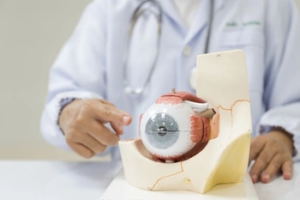
 Macular degeneration is a condition that affects the macula, which is the central part of the retina. The retina is the light-sensitive layer at the back of the eye that sends visual information to the brain.
The macula controls sharp central vision. It allows you to read, drive, recognise faces, and see fine details clearly.
Dry macular degeneration, also called dry AMD, happens when retinal cells and the retinal pigment epithelium slowly become damaged over time. This reduces the macula’s function, leading to gradual changes in central vision.
Dry macular degeneration is a lot more common than wet macular degeneration, but it can still become serious, particularly if it advances to a later stage.
Dry AMD vs wet AMD: why the difference matters
One of the most confusing parts of age-related macular degeneration is that there are two main types.
Dry AMD
Dry AMD is the dry form of age-related macular degeneration. It typically progresses slowly and may start with mild or no symptoms in the early stages.
Wet AMD
Wet AMD, also known as wet macular degeneration, is less common but tends to progress faster. It develops when abnormal blood vessels form beneath the retina and begin to leak fluid or bleed, which can cause sudden changes in vision.
Wet AMD occurs when abnormal blood vessels grow beneath the retina and damage the macula. This is why wet AMD can lead to rapid vision loss if left untreated.
The key difference is speed. Dry AMD is usually gradual. Wet AMD can change quickly, sometimes in one eye while the other remains well.
The three stages of dry macular degeneration
Dry macular degeneration is often described in three stages.
Early AMD
Early AMD may not cause noticeable symptoms. Changes can be seen during an eye exam, often before you notice anything at home.
Intermediate AMD
Intermediate AMD may cause more noticeable vision changes, including mild blurriness, difficulty reading, and a need for brighter light.
Intermediate stages can also include intermediate AMD, where the macula becomes less reliable, especially in low light.
Late-stage AMD
Late-stage AMD is characterised by more significant vision loss. In dry AMD, the late stage often involves geographic atrophy.
Geographic atrophy is an advanced stage in which areas of retinal cells and the retinal pigment epithelium break down. This causes blind spots and can seriously affect central vision.
What symptoms should you look out for?
Dry macular degeneration symptoms can be subtle at first, especially if only one eye is affected. Your brain often compensates by using the stronger eye.

- Blurred or fuzzy central vision
- Difficulty reading small print
- Trouble recognising faces at a distance
- Straight lines looking bent or wavy
- Distorted lines when looking at tiles, door frames, or blinds
- A dark or blank spot in the centre of vision
- Needing more light for close work
Many people first notice distorted lines while reading or checking their phone. Others notice that straight lines appear uneven along the edges of a window.
If you experience a sudden change, especially in one eye, it is important to seek urgent review. This can be a sign that wet AMD has developed.
What causes dry macular degeneration?
Dry macular degeneration is strongly associated with ageing, but certain risk factors can increase the probability of developing it or cause it to progress more quickly.
These include:
- Family history of macular degeneration
- Smoking
- High blood pressure
- High cholesterol
- Poor diet, low in leafy greens
- Limited physical activity
- Excess sun exposure without eye protection
A strong family history is one of the biggest risk factors. If close relatives have age-related macular degeneration, regular eye checks become even more important.
How is macular degeneration diagnosed?
Many people are surprised to learn that macular degeneration, diagnosed early, can happen even before symptoms appear.
Eye specialists use several tests to assess the retina and monitor progression.
Optical coherence tomography
Optical coherence tomography is one of the most important imaging tools used today. It creates a detailed cross-sectional image of the retina.
You may also hear it called optical coherence tomography OCT or optical coherence tomography oct. It helps detect swelling, thinning, and early changes in the macula.
Fluorescein angiography
Fluorescein angiography involves injecting a dye into the bloodstream and taking images of the retina. It helps identify abnormal blood vessels and leakage.
This test is more commonly used when wet macular degeneration is suspected.
Amsler grid
An Amsler grid is a simple home monitoring tool. It is a grid of straight lines that helps you detect distorted lines early.
If the grid starts to look warped, blurred, or missing in areas, it may indicate progression.
Can dry AMD turn into wet macular degeneration?
Yes, it can.
Dry AMD may progress into wet macular degeneration if abnormal blood vessels develop under the retina. These blood vessels may bleed or leak and cause sudden vision loss.
This is why monitoring is essential. Even if your dry form seems stable, changes can occur quickly.
A sudden change in your vision, especially distortion or a new dark spot, should be treated as urgent.
What treatment options are available for dry macular degeneration?
This is the question most people ask first, and it is completely understandable.
Currently, there is no single cure that restores lost retinal cells in dry AMD. However, there are still meaningful treatment and support options.
Monitoring and regular scans
Ongoing monitoring using optical coherence tomography helps track whether the disease progresses.
Nutritional support
Some people with intermediate AMD may benefit from specific nutritional supplements, based on clinical guidelines. This is not suitable for everyone, so it should be discussed with an eye care professional.
Lifestyle changes
Lifestyle changes can reduce progression risk and support overall eye health:
- Quit smoking
- Manage high blood pressure
- Eat more leafy greens and omega-rich foods
- Maintain a healthy weight
- Exercise regularly
- Protect your eyes from UV light
Low vision support
If you reach an advanced stage, low vision tools can help you maintain independence. These may include magnifiers, reading aids, lighting adjustments, and technology support.
What about wet AMD treatments?
 Even though this article focuses on dry macular degeneration, it is helpful to understand what happens if wet AMD develops.
Wet AMD treatment may include injections to stop abnormal blood vessels. In some cases, treatments like photodynamic therapy may be used.
Photodynamic therapy involves a light-activated medication that targets leaking blood vessels. It is not used for everyone, but it remains an option in specific cases.
Bringing it all together
Dry macular degeneration is a serious condition, but it is not a hopeless one. Many people live well with dry AMD for years, especially when it is detected early and monitored carefully.
The most important steps are recognising symptoms, attending regular eye exams, using tools like an Amsler grid, and seeking help quickly if you notice a sudden change.
Whether you are in the early stages, intermediate stages, or facing late-stage changes like geographic atrophy, you deserve clear information, professional support, and a plan that protects your vision for the long term.
If you have noticed vision changes or would like a thorough assessment for dry macular degeneration, book an appointment with Armadale Eye Clinic at (03) 9070 5753 for personalised advice and ongoing care.
Note: Any surgical or invasive procedure carries risks. Before proceeding, you should seek a second opinion from an appropriately qualified health practitioner.
References
- UCHealth. (n.d.). Dietary supplements: Are they beneficial or a waste of money? UCHealth. https://www.uchealth.org/today/dietary-supplements-are-they-beneficial-or-a-waste-of-money/
- Cleveland Clinic. (n.d.). Fluorescein angiography. Cleveland Clinic. https://my.clevelandclinic.org/health/diagnostics/24618-fluorescein-angiography
- Mayo Clinic Staff. (n.d.). Dry macular degeneration: Symptoms and causes. Mayo Clinic. https://www.mayoclinic.org/diseases-conditions/dry-macular-degeneration/symptoms-causes/syc-20350375

Multifocal intra-ocular lenses offer the opportunity to have cataract surgery and have great vision for distance, intermediate and near. There are a few golden rules Read more

We all develop presbyopia when we get to between 45-50 yeas of age. Presbyopia is the loss of the ability to focus up near. This Read more

The eye is an amazing organ with multiple parts all working together to receive light, convert it to neural signals, and send this signal onwards Read more

Unfortunately, no, long sightedness is not exactly as simple as being the opposite of short sightedness. People with long sightedness can in fact often still Read more




Leave a Reply
Want to join the discussion?Feel free to contribute!