


Sudden Blurred Vision: Causes, Signs, and When to Seek Care
Experiencing sudden blurred vision can be unsettling, especially when it happens unexpectedly. While not every episode is serious, sudden changes in your eyesight may signal an underlying health concern that needs attention.
Understanding what can cause blurred vision, how to recognise other accompanying visual symptoms, and when to seek medical attention can help you make informed decisions about your eye health.
Understanding Sudden Blurred Vision
Sudden blurred vision is an unexpected loss of sharpness or clarity in one or both eyes. This may affect central vision, peripheral vision, or even the entire visual field. Some people describe it as a hazy vision or a feeling that they are looking through a foggy window.
The blurring can occur gradually or appear instantly. Depending on the cause, it may last for a few moments or persist until treated. Because the eyes and optic nerve are closely connected to the brain, sudden changes in vision should not be ignored.
Common Causes of Sudden Blurred Vision
There are many possible causes of sudden blurry vision, ranging from minor refractive changes to more serious medical conditions.
Identifying the underlying reason early can support prompt and appropriate treatment and help prevent permanent vision loss.
 Refractive Errors
If your prescription changes, refractive errors such as short-sightedness, long-sightedness, or astigmatism can cause blurry eyesight. Although these are not typically urgent, an updated pair of contact lenses or glasses can help restore clarity.
Dry Eyes and Eye Strain
Extended screen use, air conditioning, or insufficient blinking can dry out the eyes. Artificial tears or lubricating eye drops can help in relieving blurry vision caused by dryness or fatigue.
Eye Infections and Inflammation
Conditions like conjunctivitis or keratitis can cause hazy vision, redness, and eye pain. Some eye infections require prescription medication to clear inflammation and restore vision.
Corneal Abrasion
A corneal abrasion, or scratch on the eye’s surface, can cause sudden blurring, tearing, and light sensitivity. Protective eyewear can help prevent such injuries, especially when working with debris or tools.
High Blood Sugar Levels
High blood sugar may temporarily cause blurry vision, especially in individuals with diabetes. Managing blood sugar can stabilise the eye’s natural focusing ability and reduce visual fluctuations.
High Blood Pressure
High blood pressure may cause damage to blood vessels in the retina, causing blurred or cloudy vision. Regular check-ups with your healthcare provider can help detect and manage these changes early.
Angle-Closure Glaucoma
A sudden rise in eye pressure, known as angle-closure glaucoma, can lead to sudden vision loss, eye pain, flashing lights, or nausea. This medical emergency needs prompt treatment to prevent permanent vision loss.
Retinal Detachment
If the retina pulls away from its normal position, it can cause sudden blurred or tunnel vision, flashes, or floaters. A detached retina requires urgent care to reduce the risk of permanent damage.
Optic Neuritis
Inflammation of the optic nerve, also called optic neuritis, can cause sudden blurry vision and eye pain, particularly when moving the eyes. This may be linked to autoimmune or inflammatory conditions.
Macular Degeneration
Age-related macular degeneration and wet macular degeneration can affect central vision, making it hard to see fine details. Early detection can support management and slow vision loss.
Transient Ischaemic Attack
A transient ischaemic attack (mini-stroke) can cause sudden blurry vision or lost vision in one eye. It may also be accompanied by difficulty speaking or weakness. This is a serious medical condition that often requires prompt hospital care.
Brain Injuries and Neurological Causes
Concussions or brain injuries can affect how the eyes and brain process images, resulting in double vision, dizziness, or sudden vision changes. Follow-up care can help monitor for ongoing symptoms.
Recognising Warning Signs
Not all sudden vision changes are dangerous, but some symptoms may indicate an urgent condition. You should seek medical attention if you notice:
- Sudden vision loss or complete blackout in one or both eyes
- Flashing lights or floaters
- Severe headache or eye pain
- Difficulty speaking or balance problems
- Vision that becomes tunnel-like or heavily distorted
These may signal issues with the optic nerve, retina, or blood vessels in the eye.
When Is Blurred Vision an Emergency?
Knowing when blurred vision requires urgent care can help protect your sight. Sudden blurring that develops over seconds or minutes, especially with other visual symptoms or pain, should be treated as an emergency.
If the blurring comes and goes or is accompanied by dizziness or weakness, it could point to transient ischaemic attacks or other systemic causes that need evaluation.
Immediate Steps to Take
If you suddenly experience blurry vision, taking the right steps early can help protect your eyesight and assist your healthcare provider in determining the cause.
Consider the following actions:
- Pause and Assess: Stop any activity that requires focus or coordination, such as driving, reading, or operating machinery. Giving your eyes a brief rest helps you notice other visual symptoms more clearly.
- Observe Associated Signs: Note any additional changes, such as headache, eye pain, flashing lights, or difficulty speaking. These details are valuable for your eye doctor or healthcare provider in identifying whether the issue is related to the eyes, the optic nerve, or another part of the visual pathway.
- Avoid Touching or Rubbing Your Eyes: Rubbing may aggravate an existing irritation, corneal abrasion, or infection, and could introduce bacteria to the eye’s surface.
- Seek Professional Guidance: Contact your ophthalmologist as soon as possible for tailored advice. They can recommend whether you need an in-person assessment or an immediate referral for further tests.
- Act Promptly in Urgent Cases: If you experience sudden vision loss, double vision, or severe eye pain, proceed to the nearest emergency department or call emergency services. These may indicate a serious medical emergency that requires immediate treatment to help prevent permanent vision loss.
By recognising and responding quickly to sudden eye-light changes, you can support effective evaluation and prompt and appropriate treatment for any underlying condition.
Diagnostic Process
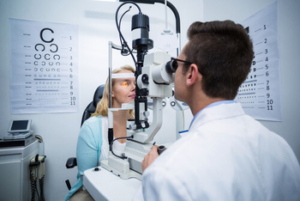
To determine what may cause sudden blurry vision, your ophthalmologist will likely perform several assessments, including:
- A comprehensive eye examination
- Inspection of the optic nerve and retina
- Vision field testing
- Review of your medical history and medications
These tests help identify whether the cause is ocular, neurological, or systemic.
Treatment Options
The appropriate management for sudden blurred vision depends on the underlying cause identified during assessment.
Each condition requires a specific approach to restore clarity, manage symptoms, and protect long-term eye health. Your eye care provider will determine a tailored plan based on your clinical findings.
Common treatment options may include: 
- Prescribed Eye Drops: Used to address inflammation, infection, or elevated eye pressure. These may help stabilise the surface of the eye or support internal fluid balance.
- Laser or Procedural Therapies: In some cases, laser treatment may be recommended to relieve pressure in conditions such as angle-closure glaucoma, repair retinal tears, or stabilise changes related to wet macular degeneration.
- Medication Management: Controlling high blood pressure, high blood sugar, or other systemic conditions can reduce stress on the eye’s delicate blood vessels and help prevent further vision loss.
- Surgical Intervention: For structural conditions such as a detached retina, corneal injury, or advanced macular disease, surgery may be indicated to preserve or restore visual function.
In most cases, treatment is effective when guided by an accurate diagnosis and regular follow-up care. Consistent monitoring allows your practitioner to adjust your plan as needed and support the stability of your central vision and overall ocular health.
Prevention and Ongoing Care
While not all cases can be prevented, there are practical steps to help reduce the risk of sudden blurring:
- Schedule regular eye exams to monitor for early changes
- Manage chronic conditions like diabetes or hypertension
- Wear eye protection when working with tools or chemicals
- Maintain healthy habits, including balanced nutrition and hydration
- Follow up promptly after any new or recurring vision symptoms
Early recognition and consistent care help reduce the risk of permanent damage and support clearer vision.
Frequently Asked Questions
What causes sudden blurred vision in one eye?
Sudden blurred vision in one eye may result from issues such as optic neuritis, retinal detachment, or a transient ischaemic attack. It’s important to seek medical attention to identify the cause.
Can dehydration cause sudden blurry vision?
Yes, dehydration can affect the tear film that moistens your eyes, sometimes leading to blurry or hazy vision. Staying hydrated and using artificial tears when necessary can help maintain clear eyesight.
What is the difference between blurry vision and cloudy vision?
Blurry vision refers to a loss of sharpness, making it difficult to see fine details, while cloudy vision often gives the impression of looking through a fog or film. Both can have similar causes, such as eye infections, corneal injury, or cataract formation, and both should be assessed if they develop suddenly.
Conclusion
Sudden blurred vision should always prompt careful attention, even if it resolves quickly. Because your eyes can reflect changes in your overall health, recognising the warning signs and seeking timely care can make a difference.
If you experience sudden vision changes, a qualified eye care professional can guide you. Early diagnosis and consistent monitoring can help protect your sight, maintain comfort, and support your long-term eye health.
If you’ve recently noticed sudden blurred vision or other unexpected changes in your eyesight, it’s important to have your eyes professionally examined.
Our friendly and experienced team can guide you through a thorough eye examination and discuss suitable care options based on your individual needs.
Contact Armadale Eye Clinic at (03) 9070 5753 to schedule an appointment or ask any questions about your symptoms.
Note: Any surgical or invasive procedure carries risks. Before proceeding, you should seek a second opinion from an appropriately qualified health practitioner.
References
Gardner, A. (2025, April 20). 8 Causes of Blurry Vision—and When To Seek Care. Health. Retrieved October 28, 2025, from https://www.health.com/condition/eye-health/blurry-vision-causes
Goad, K. (2024, December 18). Sudden Blurry Vision in Both Eyes: Symptoms, Causes and Treatment. AARP. Retrieved October 28, 2025, from https://www.aarp.org/health/conditions-treatments/sudden-blurry-vision-in-both-eyes/
Lewsley, J. (2024, January 16). 12 Causes of Sudden Blurry Vision. Medical News Today. Retrieved October 28, 2025, from https://www.medicalnewstoday.com/articles/sudden-blurry-vision
Lipner, M. (2025, August 18). What Causes Sudden Blurry Vision? Verywell Health. Retrieved October 28, 2025, from https://www.verywellhealth.com/sudden-blurry-vision-5092267

Multifocal intra-ocular lenses offer the opportunity to have cataract surgery and have great vision for distance, intermediate and near. There are a few golden rules Read more

We all develop presbyopia when we get to between 45-50 yeas of age. Presbyopia is the loss of the ability to focus up near. This Read more

The eye is an amazing organ with multiple parts all working together to receive light, convert it to neural signals, and send this signal onwards Read more

Unfortunately, no, long sightedness is not exactly as simple as being the opposite of short sightedness. People with long sightedness can in fact often still Read more


 Blurry vision in one eye can feel disorienting, but it doesn’t have to be alarming. The most important thing you can do is listen to your body, notice warning signs, and take action if something doesn’t feel right.